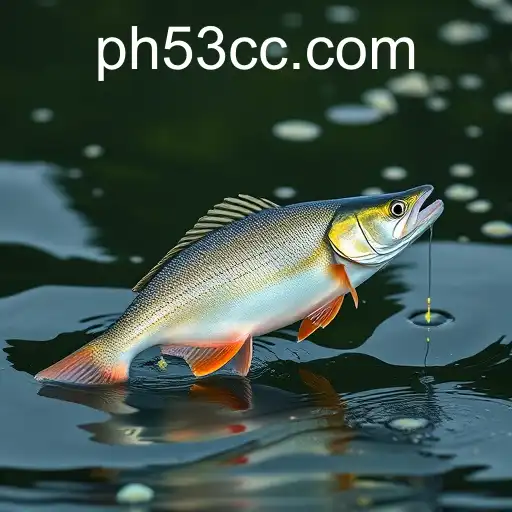
The Joy and Art of Fishing: An In-Depth Look at PH53
Fishing has long been more than just a means of sustenance; it is an art form, a sport, and for many, a profound connection to nature. The adaptability of fishing, from leisure to competitive events, highlights its universal appeal. At the heart of this world is the enigmatic PH53, a term that resonates deeply with seasoned anglers and newcomers alike.
Understanding PH53 and Its Significance
The keyword PH53 might not immediately ring any bells for the uninitiated. Yet, in the fishing community, it holds a significant place, simultaneously mysterious and inviting. Whether it represents a specific code used in fishing licenses or perhaps a classification in regulation policies, its exact meaning stimulates curiosity and drives enthusiasm among fishing aficionados.
A Brief History of Fishing
Humans have been fishing for thousands of years, with evidence suggesting that the earliest forms of fishing began during the Mesolithic era. Over the centuries, techniques have evolved dramatically. Indigenous methods gave way to more sophisticated tools and technologies, influencing not only how we fish but the regulatory, cultural, and economic landscapes associated with the activity. As we explore the specific context of PH53, we delve deeper into these evolving paradigms.
The Evolution of Fishing Techniques
Fishing techniques are as diverse as the fish that populate our waters. Traditional methods such as using spears and nets have transformed over time, incorporating high-tech equipment like sonar technology and GPS systems. Despite these advancements, traditional methods are still cherished for their authenticity and challenge. The interplay between traditional and modern techniques forms an integral part of the fishing narrative, especially in areas governed under the regulations of PH53.
Fishing Regulations and PH53
Regulations play a critical role in maintaining ecological balance and ensuring future generations can continue to enjoy the sport. Within this framework, PH53 could denote a specific code pertinent to local fishing regulations, quotas, or seasons. These guidelines are designed to protect species from overfishing and offer a measure of sustainable interaction with marine wildlife.
Many places have adopted stringent regulations that pertain to specific codes and classifications such as PH53, reflecting a commitment to conservation and responsible fishing. Such regulations are not just about compliance but also about cultivating respect for aquatic ecosystems.
PH53-Focused Conservation Efforts
Incorporating conservation efforts within the scope of fishing activities is critical. Projects aimed at habitat restoration, anti-pollution measures, and the enforcement of PH53-related restrictions are examples of how anglers and authorities collaborate for a sustainable future. These initiatives often involve local communities, emphasizing collective responsibility and the shared benefits of healthy ecosystems.
The role of conservation organizations and the influence of global movements cannot be underestimated. They often identify regions like those under the jurisdiction of PH53 as critical areas for intervention, ensuring the preservation of biodiversity and the promotion of eco-friendly fishing practices.
The Cultural Impact of Fishing with PH53 Regulations
For many communities, fishing isn't merely an economic activity; it's a cultural cornerstone. Whether it involves storytelling by the waterfront or the creation of art influenced by sea life, fishing serves as an enduring source of inspiration and tradition. In regions governed by PH53 or similar codes, these cultural aspects are interwoven with the regulatory aspects, creating a unique blend that reflects local identity and heritage.
Challenges and Opportunities in Fishing
The fishing industry is fraught with challenges, from environmental changes due to climate shifts to competition over dwindling fish stocks. However, these challenges give rise to opportunities for innovation and improvement. The integration of sustainable practices, driven by PH53 and similar regulations, presents a blueprint for balancing productivity with ecological responsibility.
Technological advancements offer new methods to mitigate negative impacts and enhance efficiency. Innovations in bycatch reduction and the development of eco-friendly fishing gear are notable achievements made in collaboration with regulatory frameworks like PH53.
Fishing as Recreation and Sport
From leisurely weekend pursuits to international fishing tournaments, recreational fishing spans a wide spectrum. It’s an activity that fosters a deep connection with nature and promotes physical well-being. The introduction of PH53 into regulated areas ensures that recreational fishing activities are conducted in harmony with sustainable principles.
Sport fishing, in particular, emphasizes technique and skill, often in competitive formats that attract a dedicated following. These events celebrate the finest aspects of angling and promote messages of sustainability and conservation through practices informed by familiar codes such as PH53.
PH53: A Keyword that Defines More than Just Regulations
While its precise definition may vary, the significance of PH53 extends beyond regulatory language. It encapsulates the complex tapestry of fishing practices, from traditional customs to cutting-edge innovations. As fishing continues to evolve, codes like PH53 articulate the balance we strive for with our natural world, serving as a reminder of our shared duty to the oceans and the life within them.
Engage with the World of Fishing
Whether you are a seasoned angler, a weekend warrior, or someone just starting to explore, fishing offers endless exploration. By engaging with communities and adhering to the guidelines governed by PH53 and other similar frameworks, you contribute to a global effort in preserving one of humanity's oldest and most beloved activities. Visit our homepage to dive deeper into the world of fishing and learn how you can make a difference.